Quick Facts About Sedation Dentistry
- Key Benefits:
- Sedation dentistry can help ease anxiety and discomfort, allowing you to feel calmer and more relaxed throughout your dental treatment.
- Potential Candidates:
- Sedation dentistry can be a great option for patients with dental anxiety, sensitive teeth, a strong gag reflex, or those undergoing more involved procedures.
- Sedation Options:
- We offer several sedation options, including nitrous oxide, oral conscious sedation, and IV sedation, to match your comfort needs and the complexity of your treatment.
- Provider Expertise:
- Our board-certified sedation dentists offer a range of sedation techniques tailored to patients with varying levels of fear and dental anxiety.


Dental phobia is a very real condition that discourages thousands of people each year from obtaining the oral care they need or desire. As board-certified sedation dentists, Dr. Deborah Klotz and Dr. Robert Schlossberg are committed to helping patients who feel anxious about visiting the dentist receive treatment in a state of complete relaxation with advanced sedation dentistry.
Bethesda Sedation Dentistry aims to make your dental experience
comfortable, efficient, and entirely free of stress.
Explore Topics On This Page
Schedule Your New Patient Visit
Experience exceptional, one-on-one care in a calm and comfortable environment. Your first visit includes a thorough examination, advanced imaging, and a customized treatment plan – so you leave with clarity and confidence.
Bethesda Sedation Dentistry welcomes new patients.
What Is Sedation Dentistry?
Sedation dentistry—also called sleep dentistry—refers to the use of sedative medicine designed to keep you in a calm and pain-free state as your dental care is performed. Depending on the type of sedation employed, you can remain awake or sleep peacefully throughout treatment, maximizing both comfort and efficiency.
Who Is a Candidate for Sedation Dentistry?
Sedation dentistry can be very helpful if:
- You experience anxiety or fear about dental procedures, needles, or injections
- You suffer from an extreme gag reflex
- You are embarrassed about the appearance of your teeth
- You have sensitive teeth
- You do not respond well to local anesthesia
- You are undergoing a very complex procedure
- You have a disability or special needs
- You have trouble sitting comfortably in the dental chair for long periods of time
- Your treatment needs to be finished within a limited span of time
- You have a sensitivity to the sights and sounds within a dental office
What Types of Sedation Are Available?
At Bethesda Sedation Dentistry, you can choose from three types of sedation: oral conscious sedation, IV sedation, and nitrous oxide. Each offers unique advantages based on your specific needs and desires.
- Oral Conscious Sedation – Oral conscious sedation is delivered via a swallowable pill, generally resulting in complete relaxation. Most patients remain awake, though you will likely have minimal to no memory of treatment.
- IV Sedation – Injected directly into the bloodstream, intravenous (IV) sedation can help you reach a deeply calming state, often to the point that you sleep peacefully right through treatment. Like oral conscious sedation, you will typically have little to no recollection of your visit.
- Nitrous Oxide – Inhaled through a small rubber mask, nitrous oxide (laughing gas) can help you relax while still remaining awake and coherent during treatment. It can be used independently or in combination with IV or oral sedation for optimal comfort.
At your initial appointment, Dr. Rob or Dr. Deb will carefully examine your medical and dental history and talk with you about any concerns you might have. Every patient is different, and we want to understand your unique situation—without judgment—so we can provide informed, customized advice about your sedation options. We will guide you through the entire process, thoroughly explain your sedation choices, and recommend the right treatment plan for your case.
Oral Conscious Sedation
Learn MoreOral conscious sedation is delivered via a swallowable pill, resulting in complete relaxation. Most patients remain awake, though you will likely have minimal to no memory of treatment. Oral sedation is the perfect alternative for people who have dental fear, trouble with dental anesthesia (typical dental numbing), or sensitive gag reflexes, and who don’t have complex dental needs. In addition, oral sedation eliminates the fatigue that can result from extended or multiple dental visits.
On the day of your appointment, you will achieve total relaxation simply by taking the oral medication Dr. Deb and Dr. Rob administer. You will need a friend to drive you to and from our Bethesda dental office, because the medication will make you drowsy and unable to drive. After you arrive, we will make sure you are comfortably seated in the dental chair and cover you with a thick, warm blanket. A member of our highly-skilled team will monitor your vital signs throughout treatment. When you are completely relaxed and ready for care, Dr. Deb and Dr. Rob will provide you with an excellent dental experience.
After your treatment is complete, your friend will take you home to relax for the rest of the day. You will have little or no memory of your treatment. The effects of oral sedation will subside the following day, and you can go about your business as usual.
IV Sedation
Learn MoreInjected directly into the bloodstream, intravenous (IV) sedation can help you reach a deeply calming state, often to the point that you sleep peacefully right through treatment. Like oral conscious sedation, you will have little to no recollection of your visit.
The process typically begins with an evaluation of your dental and medical history to determine if you are a candidate for IV sedation dentistry. During, we will monitor your heart rate, blood pressure, and breathing. Your level of sedation can also be adjusted depending on your needs. We will provide you with a safe place to rest before you have a companion drive you home. Effects often wear off by the next day.
Nitrous Oxide
Learn MoreInhaled through a small rubber mask, nitrous oxide (laughing gas) can help you relax while still remaining awake and coherent during treatment. It can be used independently or in combination with IV or oral sedation for optimal comfort. Nitrous oxide is safe and commonly used in dental procedures because it helps to relax patients without putting them to sleep. If you dislike needles and are anxious about getting dental treatment, you could be a potential candidate for this popular relaxation technique.
One of the benefits of nitrous oxide sedation is that you just have to relax and breathe for it to work. It is fast-acting and your level of nitrous oxide can be adjusted at any time according to your dentist’s discretion. The gas quickly leaves your system after the procedure and you should be able to drive home after your appointment.
Are There Any Side Effects from Sedation Dentistry?
The most common side effects of sedation dentistry are grogginess and fatigue, both of which should gradually fade within the hours following treatment. In the event oral conscious sedation or IV sedation is utilized, a minor amnesic effect may also be experienced—but many patients actually consider this a benefit. Other side effects of sedation can include temporary dry mouth, nausea, dizziness, lightheadedness, and headaches, though these are rarely reported by our patients and should resolve relatively quickly if they do happen to occur.
Due to the potential side effects, Dr. Deb and Dr. Rob insist that all patients who receive oral conscious sedation or IV sedation arrange for a friend or family member to drive them to and from our office, as well as provide any necessary assistance after treatment. Additionally, our dentists recommend patients stay at home and rest until the sedation has worn off completely, which may take until the following day.
Both Dr. Rob and Dr. Deb are board certified in sedation dentistry, a distinction that signifies their extensive training, experience, and devotion to patient safety.
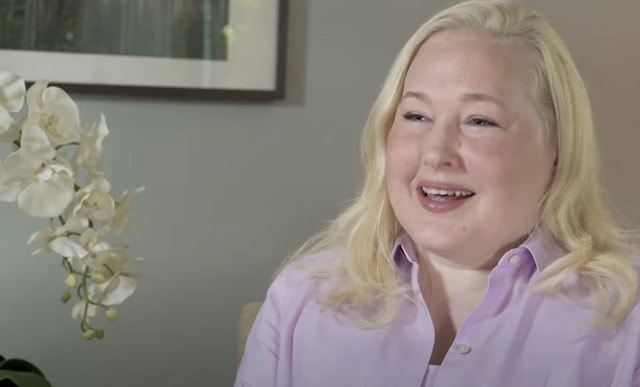
Watch our patient’s testimonial on her experience with Sedation Dentistry.
Additional Frequently Asked Questions About Sedation Dentistry
Will somebody need to drive me home from my appointment?
Yes, in most cases, you will need someone to drive you home from your sedation dentistry appointment. If you receive oral conscious sedation or IV sedation, the effects can linger for several hours, making it unsafe to drive. It’s important to have a trusted friend or family member accompany you and stay with you afterward as you recover. However, if you only receive nitrous oxide, you’ll likely be alert enough to drive yourself home, as the effects wear off quickly. Dr. Deb and Dr. Rob can let you know in advance what to expect based on the type of sedation used.
How do I know which type of sedation is right for me?
The best way to determine which type of sedation is right for you is to consult with one of our dentists. They will evaluate your medical history, level of dental anxiety, the complexity of your treatment, and your personal preferences. For mild anxiety, nitrous oxide may be enough, while oral or IV sedation may be better for deeper relaxation or longer procedures. Dr. Deb and Dr. Rob can recommend the most effective option tailored to your needs, ensuring a comfortable and stress-free experience.
How should I prepare for my sedation appointment?
To prepare for your sedation dentistry appointment, follow all pre-appointment instructions provided by Dr. Deb and Dr. Rob. You may be asked to avoid eating or drinking for several hours beforehand, especially if you’re receiving oral or IV sedation. Wear comfortable clothing and arrange for someone to drive you to and from the office. Be sure to inform our dentists of any medications you’re taking or health conditions you have. It’s also helpful to plan for rest after your appointment, as drowsiness is common. Our dental team can provide specific guidelines based on the type of sedation you’ll receive.
Is sedation dentistry safe for children and elderly patients?
Yes, sedation dentistry can be safe for both children and elderly patients when administered by an experienced, board-certified provider. We carefully evaluate each patient’s health history, current medications, and any underlying conditions before recommending a sedation option. Lighter forms of sedation, such as nitrous oxide, are often well-suited for these groups, though we can tailor our approach to ensure the safest, most comfortable experience for your specific needs.
Does insurance cover sedation dentistry?
Coverage for sedation dentistry can vary depending on your insurance plan and the reason sedation is being used. Some plans may cover sedation when it’s deemed medically necessary, such as for patients with severe anxiety or certain medical conditions, while others may not include it at all. We recommend checking with your insurance provider beforehand, and our team is happy to help you understand your options and estimate any out-of-pocket costs.
Contact Our Practice
To learn more about sedation dentistry, we invite you to make your appointment today. We look forward to meeting you!